Program
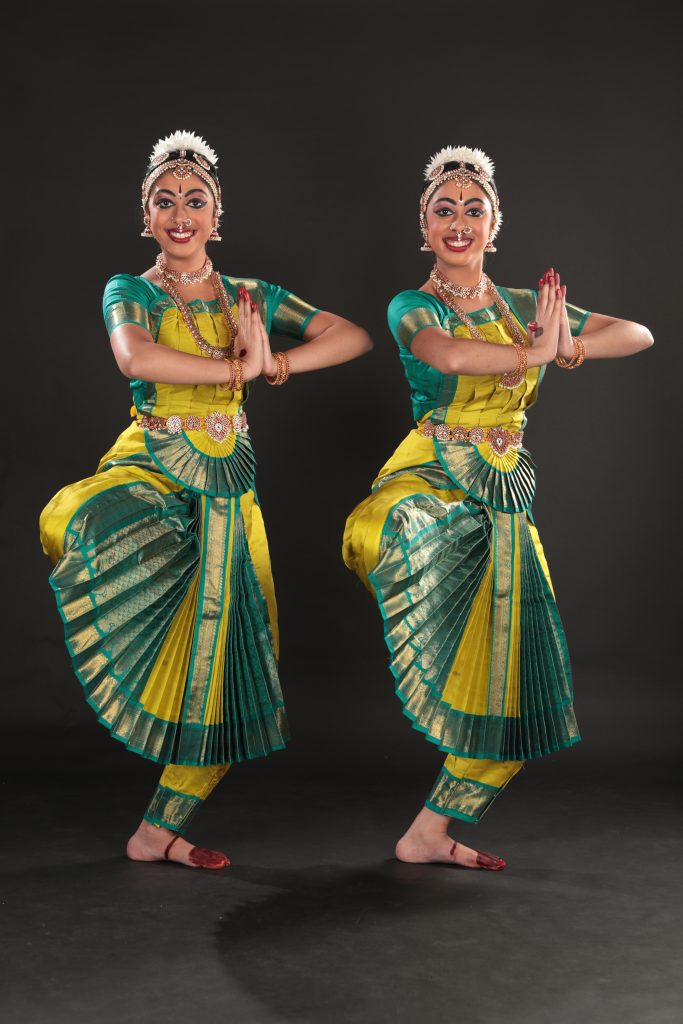
Pushpanjali : Jem Jem
- Ragam : Arabhi
- Talam : Adi
- Composer : Dr. M. Balamuralikrishnan
- Language : Tamil
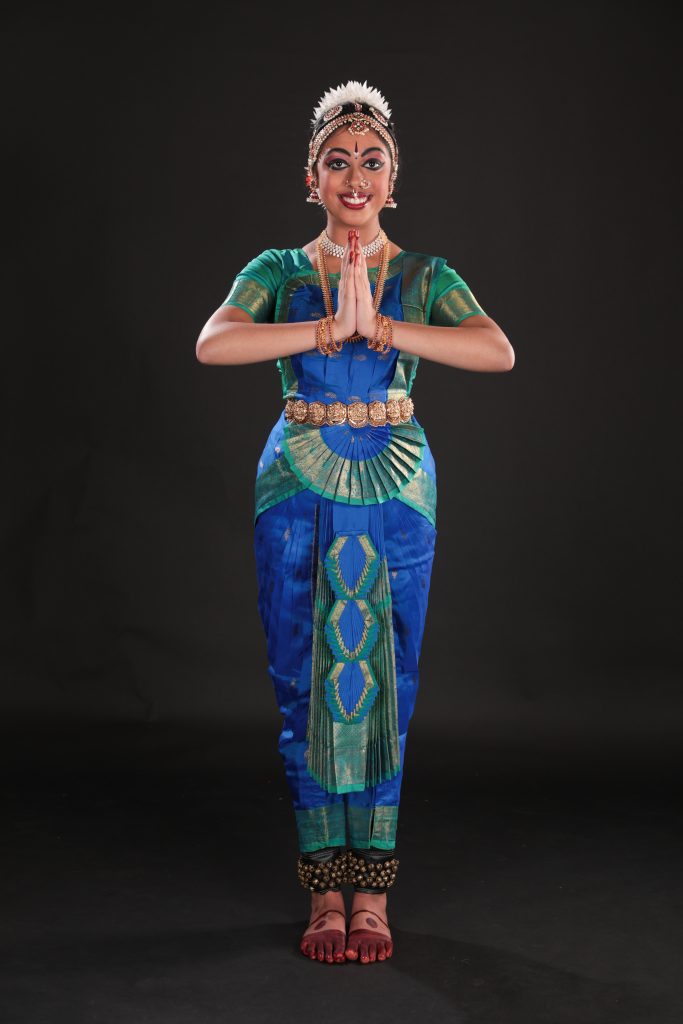
Pushpanjali means offering of flowers to the Lord of Dance and is the first dance in a bharatanatyam arangetram. The dancer offers flowers to the Gods, and salutes Lord Nataraja. She also seeks blessings from her Guru, the musicians, and the audience. In this Pushpanjali, the dancer seeks blessings from Lord Ganesha, for the removal of obstacles. The dancer also seeks protection of Saraswati, the personified female energy of Brahma.
Kauthuvam : Sadakshara Kauthuvam
- Ragam: Shanmugapriya
- Talam: Rupaka
- Composer : Sri Madurai R. Muralidaran
- Language : Tamil
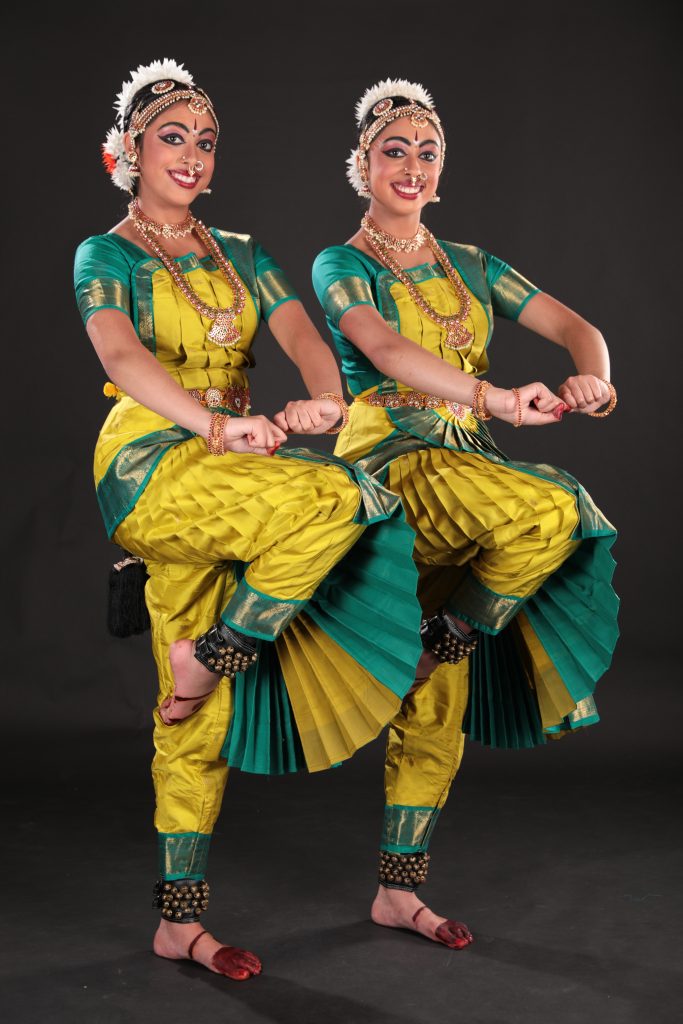
Shadakshara Kauthuvam
Kauthuvam is a hymn of devotion in praise of a deity. It was performed by the devadasis as part of the daily rituals, or on special occasions or during the festivals. This Kauthuvam is in praise of Lord Muruga, the six headed son of Shiva.
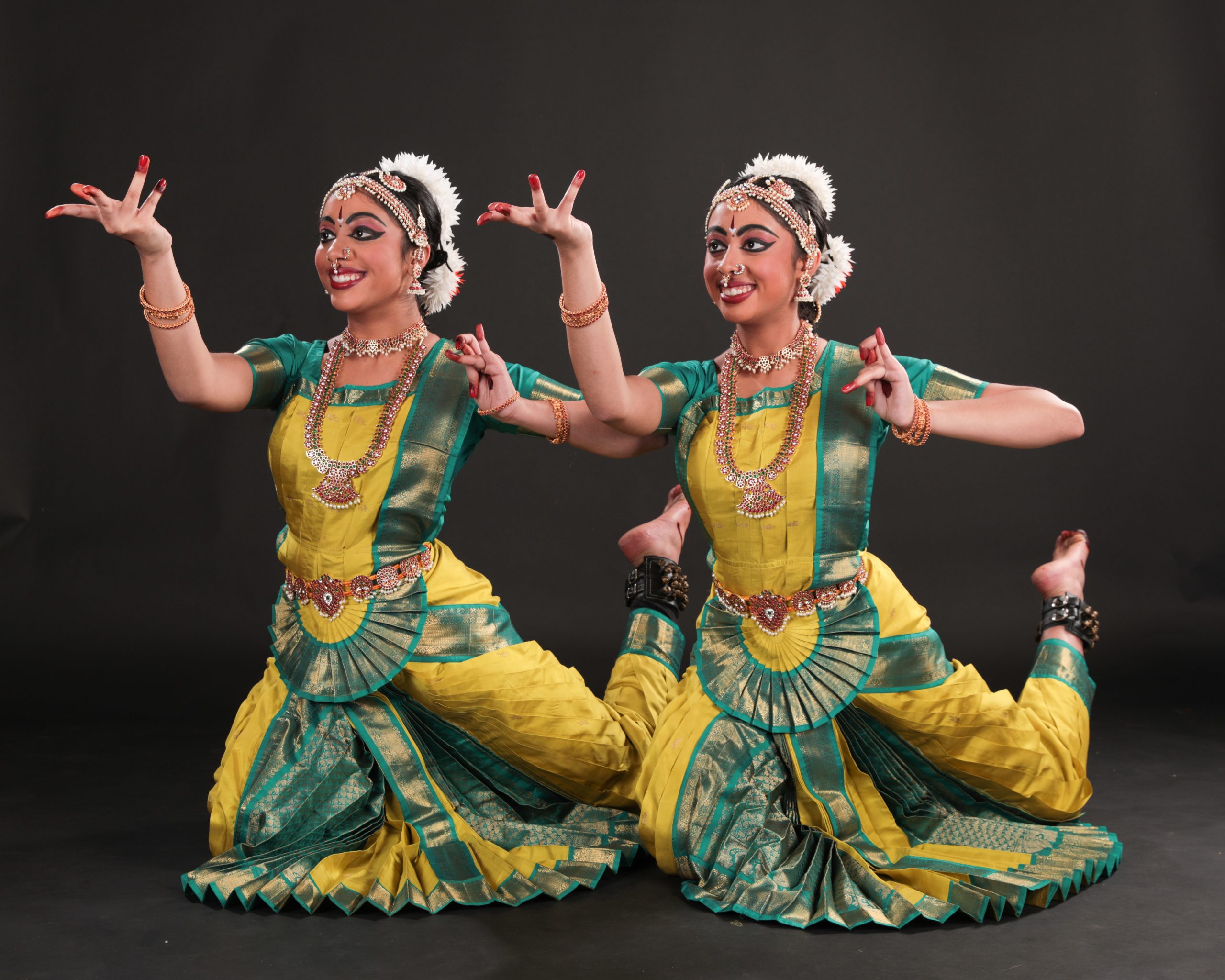
: Jatiswaram
- Ragam - Navarasa Kannada
- Talam : Adi
- Composer : Guru Sri S. K. Suresh
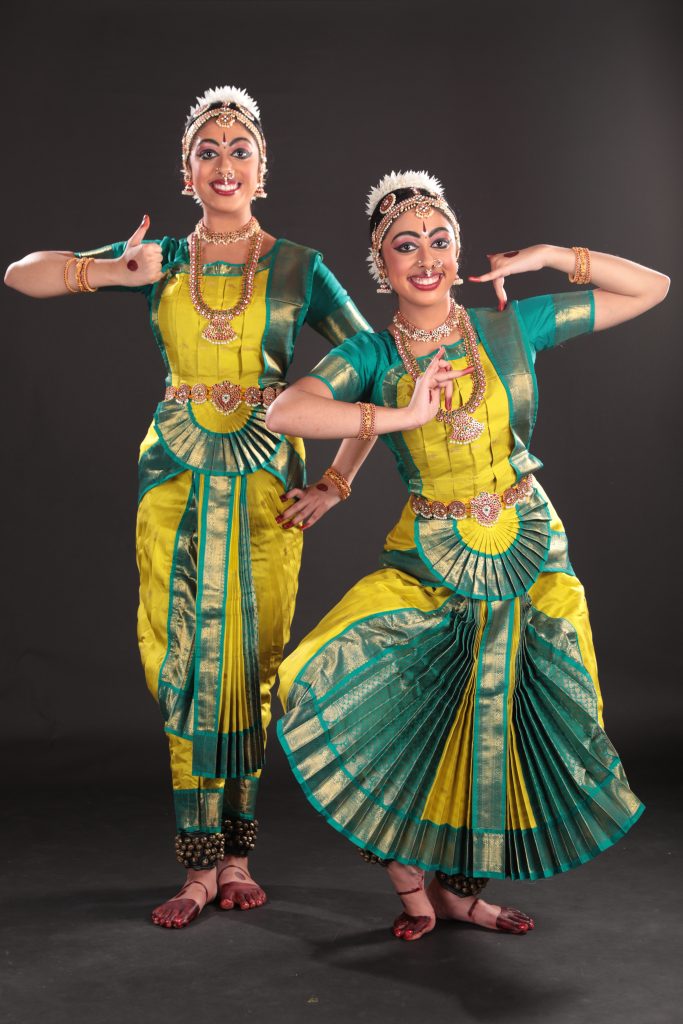
This piece consists of “Nritha”, or pure dance, in which the dancer shows her knowledge of the rhythm through intricate footwork keeping beat with the mridangist. It consists of many jathis, or patterns, based on the framework of ragam and talam. This piece is the own composition of Guru Sri Swamimalai K. Suresh.
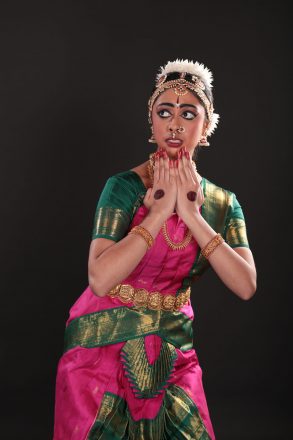
Varnam : Devi Navarasam
- Ragamalika comprising of Bilahari, Huseni, Valaji, Saranga, Sucharitra, Atana, Rasikapriya, Sahana and Nadanamakriya
- Talam : Adi
- Composer : Sri Lalgudi G. Jayaraman
- Language: Tamil
This breathtaking Varnam depicts the nine emotions felt by Devi Parvati (wife of Shiva). It starts off with Devi growing up as a beautiful fish eyed enchantress.
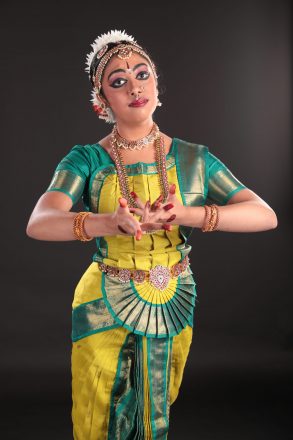
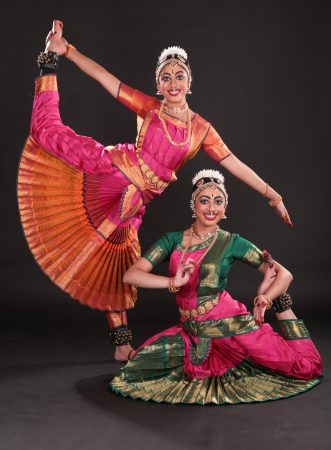
Her Veeram (Valor) is displayed when she fights her enemies and Sringaaram (Love) when she sets her eyes upon Lord Shiva. Adbhutam (Wonder) is depicted when she sees Shiva burn Manmata to ashes, kicks Lord Yama and destroys three cities of three evil kings. She experiences Haasyam (Laughter) when she watches the Lord beaten up for his pranks and Bhibatsam (Disgust) when her father Dhakshan refuses to respect her husband. She expresses Roudram (Anger) when she slays evil Bhandasuran and Bhayanakam (Fear) when Shiva drinks poison and when the demon Ravana tries to lift the mount Kailash. She exhibits Karunayam (Compassion) while blessing her devotees thus becoming the true embodiment of Shaantam (Peace).
Padam by Hansika : Gana Ringaram Seyyam
- Ragam: Sindhu Bhairavi
- Talam : Adi
- Composer : Suddanadha Bharathi
- Language : Tamil
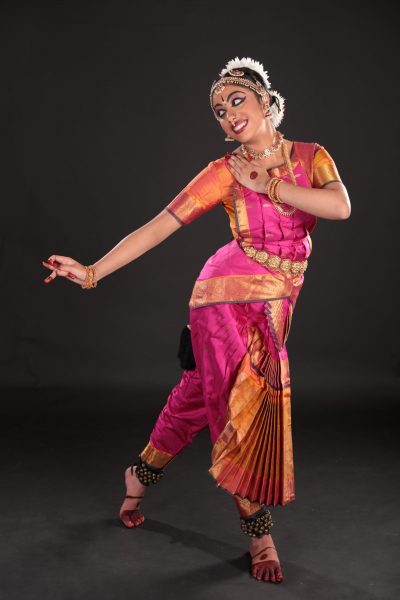
In this composition the dancer requests the black bee to go and tell Shiva about her love. The light of the moon and the cool breeze, the deer and peacock all make the dancer miss Shiva. Her love for Shiva is overflowing from her heart like a deluge and she longs for him. He, who stole my heart, will he come and be with me, she wonders …
Padam by Karishma : Tha Thai Endraduvar...
- Ragam : Sindhu Bhairavi
- Talam : Adi
- Composer : Sri Gopala Krishna Bharathi
- Language : Tamil
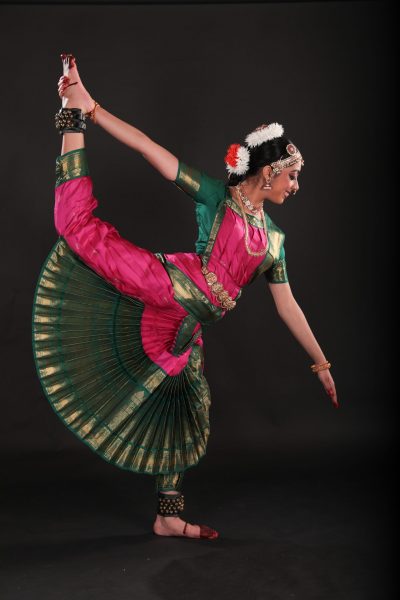
This song describes the dance of Lord Shiva, in Chidambaram, situated in the state of Tamil Nadu, India with the use of many rhythmic syllables like “Tha Thai”, “Thathithai”, “Jamtharikitathai”. It symbolizes the rhythmic play, which is the source of all movement within the universe. Shiva dances with a snake coiled around his neck signifying awareness, and tiger skin as his waist-cloth. His body is smeared with ashes, and his hair is in matted locks, the moon and the sacred river Ganga serving as his ornaments. His neck appears blue from absorbing the poison that is emanated from the mindless destruction of nature. He is regarded by his devotes as the most compassionate one. With his sharp awareness he continuously destroys the three worlds, the illusionary constructs of the human kind that divides this existence into I, Mine and not Mine. Karanas or poses are beautifully depicted, each having significance in the process of creation.
Padam : Naada Murali Gaana Vilola
- Ragam: Hamir Kalyani
- Talam : Adi - Tisra Gathi
- Composer : Ootukkadu Venkatasubba Iyer
- Language : Sanskrit
This composition describes the beauty of lord Krishna.
The one who plays mellifluous music in his flute and worshiped by Naradha. He who killed the asura Madhu, gives boons and lifted the Govardhana mountain. He has a charming smiling face and removes the fear. His beauty which is like Manmatha captivates everyone’s heart. An enthralling sound comes from his anklets when he dances.
Tillana
- Ragam: Kadanakudukalam
- Talam : Adi
- Composer : - Dr M. Balamuralikrishna
- Language : Tamil
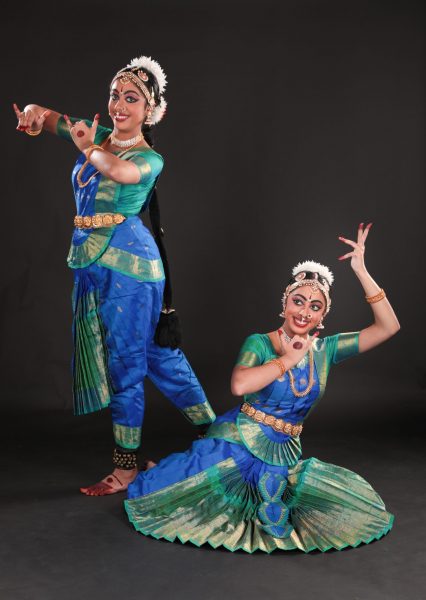
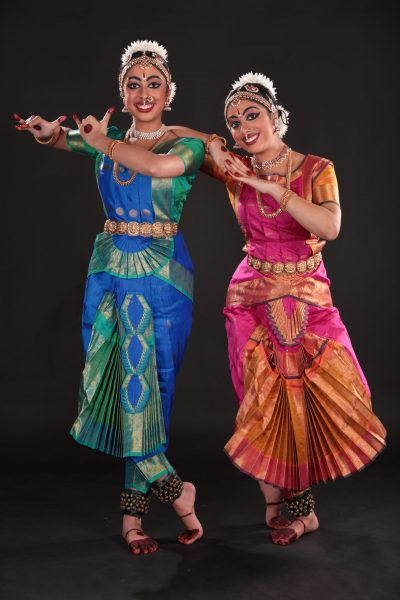
Thillana is a rhythmic piece in carnatic music that is generally performed at the end of a concert. It is a vibrant dance filled with intricate footwork and artistic poses. This dance explores all three tempos of footwork filled with complex rhythmic structures called korvais and theermanams. The innovative element of this Thillana is the jugalbandhi, in which the nattuvangam and the mrudangam with the dancer exchange control over the rhythm. At the climax both parts merge in a grand finale.
Mangalam: Harivarasanam
- Ragam: Madhyamavati
- Talam : Adi
- Composer : G. Devarajan
- Language : Sanskrit
Harivarasanam is a lullaby for Lord Ayyappan at Sabarimala Sree Dharma Sastha Temple, situated in the state of Kerala, India and is sung during the daily temple closing ceremony.